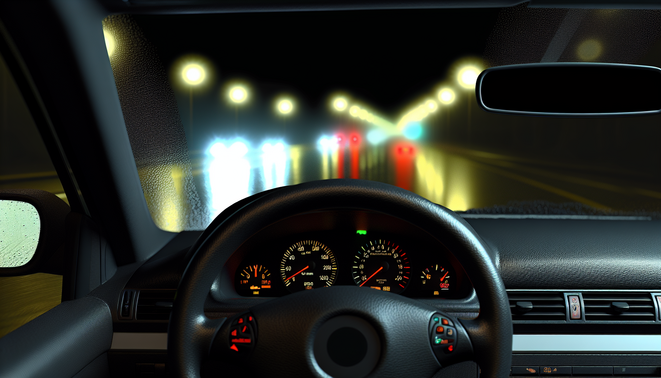
Night Driving Realities: Why Darkness Demands Extra Caution
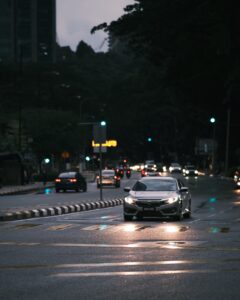
Driving at night introduces a unique set of challenges that require drivers to exercise increased caution. One of the primary difficulties is our diminished ability to perceive the environment accurately under low-light conditions ([Source: NHTSA](https://www.nhtsa.gov/)). Poor visibility significantly hampers our capacity to judge distances and spot hazards promptly. For example, pedestrians, animals, or obstacles on the road can easily go unnoticed, increasing the risk of collisions. Studies indicate that darkness reduces visual acuity and depth perception, which are critical for safe driving ([Source: NHTSA](https://www.nhtsa.gov/)). Consequently, fatal crash rates are reportedly three times higher at night compared to daytime driving, primarily due to these visibility issues coupled with increased driver fatigue ([Source: NHTSA](https://www.nhtsa.gov/)).
Another critical factor is driver fatigue. Human circadian rhythms naturally incline us toward sleep during night hours, leading to slower reaction times and impaired judgment ([Source: Sleep Foundation](https://www.sleepfoundation.org/how-sleep-affects-driving)). As fatigue increases, the risk of inattention and microsleeps grows, which can have catastrophic consequences. Equally important is the glare from oncoming headlights and the limited reach of vehicle headlights, which can momentarily blind drivers and hinder quick reactions. Transitioning from bright urban settings to dark rural roads can cause temporary blindness, emphasizing the need for adaptive driving behavior ([Source: GHSA](https://www.ghsa.org/resources/distracted-driving)).
To mitigate these risks, drivers should prioritize being well-rested, ensure their vehicle lighting systems are functioning correctly, and minimize distractions. Being aware of how darkness affects perception and reaction is vital for safe night driving. For further insights on driving safely in various conditions, including weather considerations, readers can refer to our guide on how to drive in Malaysian weather ([Source: SDC Online](https://licenses.sdc-online.com.my/how-to-drive-in-malaysian-weather/)).
Seeing Clearly on Dark Roads: Vision, Headlights, and Vehicle Prep
Clear visibility is fundamental to safe night driving. Proper use of headlights is critical. Low beams are recommended when driving in areas with oncoming traffic or within urban environments, as they reduce glare and prevent blinding other drivers. High beams are typically reserved for rural, poorly lit areas, where they enhance long-distance visibility. Remember to switch back to low beams when approaching other vehicles or when within a certain proximity to prevent glare for other drivers ([Source: Malaysian Road Rules](https://licenses.sdc-online.com.my/malaysian-road-rules/)).
Maintaining your vehicle’s lighting system is essential. Regularly check that all lights—including headlights, brake lights, and turn signals—are working properly. Upgrading to modern lighting technologies like LED headlights can significantly improve illumination while being more energy-efficient. Some vehicles are equipped with adaptive headlights, which automatically adjust beam direction and range based on steering input and speed, further enhancing safety during turns or on curves ([Source: How to Drive in Malaysian Weather](https://licenses.sdc-online.com.my/how-to-drive-in-malaysian-weather/)).
In addition to lighting, vehicle cleanliness plays a vital role in night visibility. Keeping your windshield spotless and free of smudges minimizes glare from streetlights and headlights, enabling clearer vision of the road and its hazards. Proper adjustment of side and rearview mirrors also maximizes rear and side visibility, decreasing blind spots ([Source: Vehicle Preventive Maintenance](https://licenses.sdc-online.com.my/vehicle-preventive-maintenance/)).
Preparing your vehicle before night drives includes checking tire tread depth and pressure, as well as ensuring important safety features function properly. Regular maintenance minimizes the risk of mechanical failures that can be particularly dangerous at night.
Keeping Focus Behind the Wheel: Fatigue, Distractions, and Safe Night Habits
Staying alert during night driving demands conscious effort, as fatigue and distractions are especially prevalent after dark. Implementing effective strategies can significantly enhance safety.
**Take Regular Breaks:** It’s recommended to stop approximately every two hours or every 100 miles. Breaks allow drivers to stretch, breathe deeply, and reset alertness levels. Short micro-breaks boost focus and reduce the risk of drowsiness, which is comparable to intoxication in impairing driving ability ([Source: NHTSA](https://www.nhtsa.gov/risky-driving/drowsy-driving)).
**Limit Caffeine Intake:** While caffeine can temporarily boost alertness, it is not an alternative to adequate rest. Consuming caffeine too late or in excessive amounts may disturb sleep patterns later, reducing overall effectiveness. Limiting intake to a couple of cups and timing consumption appropriately is advised ([Source: NIH](https://www.ncbi.nlm.nih.gov/pmc/articles/PMC6533407/)).
**Minimize Distractions:** Use navigation systems and set presets for music or radio stations before driving to avoid tending to devices while on the road. Activating ‘Do Not Disturb’ features on smartphones eliminates the temptation to text or check notifications, maintaining focus on driving ([Source: AAA](https://www.aaa.com/autorepair/articles/distractions-in-the-car)).
**Recognize Impairment Signs:** Fatigue-related impairment is akin to drunk driving. Be vigilant for signs such as yawning, difficulty focusing, and frequent blinking. If these symptoms are observed, safely pull over to rest. Nighttime inherently increases fatigue risks due to low visibility and fewer natural stimuli that alert us to our tiredness ([Source: CDC](https://www.cdc.gov/trafficinjuryresearch/reducing-drowsy-driving.html)).
Adopting these practices helps maintain concentration, boosts reaction times, and reduces accident risks at night. Additionally, exploring our articles on safe driving practices and driving in Malaysian weather can provide further guidance.
Hazards After Hours: Weather, Wildlife, and Uneven Roads
Nighttime hazards extend beyond visibility issues to include adverse weather, wildlife activity, and road conditions. Awareness and proactive measures are crucial to navigate these challenges safely.
Weather Hazards
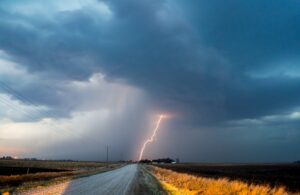
Rain and thunderstorms are common at night and significantly increase driving risks. Wet roads reduce tire grip, increasing the likelihood of hydroplaning. To mitigate this, ensure your tires have sufficient tread depth and proper inflation. During rain, reduce your speed and increase the following distance to give yourself more time to react. Always use headlights correctly—low beams for urban or oncoming traffic, high beams for rural, dark areas—while being mindful of other drivers’ visibility ([Source: How to Drive in Malaysian Weather](https://licenses.sdc-online.com.my/how-to-drive-in-malaysian-weather/)).
Wildlife and Pedestrian Visibility
Areas rich in wildlife pose unique night-time dangers. Animals crossing roads are a frequent hazard in rural zones. Use high beams in low-traffic areas to improve sightlines but switch to low beams when there is oncoming traffic. If an animal suddenly appears, do not swerve sharply; instead, brake steadily and proceed cautiously. Pedestrians in urban settings may also be less visible in dark conditions, so reduce speed and stay vigilant near crosswalks and zones with poor lighting ([Source: Malaysian Road Rules](https://licenses.sdc-online.com.my/malaysian-road-rules/)).
Uneven Roads and Obstacles
Uneven, poorly maintained, or unpaved roads are harder to detect in darkness. Prior route planning, including checking GPS updates or maps indicating road conditions, helps avoid surprises. Proceed slowly when approaching construction zones or detours, paying close attention to signage and road surface irregularities. Familiarity with your route reduces the risk of accidents caused by unexpected obstacles or potholes ([Source: Vehicle Preventive Maintenance](https://licenses.sdc-online.com.my/vehicle-preventive-maintenance/)).
Route Planning Tips
Pre-trip planning enhances safety. Use GPS applications that provide real-time traffic and weather updates. Opt for routes well-lit and less prone to wildlife crossings or road hazards. Prior to departure, verify road closures or construction notices to ensure a safe journey. As a final tip, keeping a well-maintained vehicle, including spare tires and emergency kits, is invaluable for nighttime emergencies ([Source: Safe Driving Practices](https://licenses.sdc-online.com.my/pemanduan-berhemah/)).
By understanding these hazards and employing proactive safety measures, drivers can significantly reduce risks and ensure safer travel during night hours.